Introduction
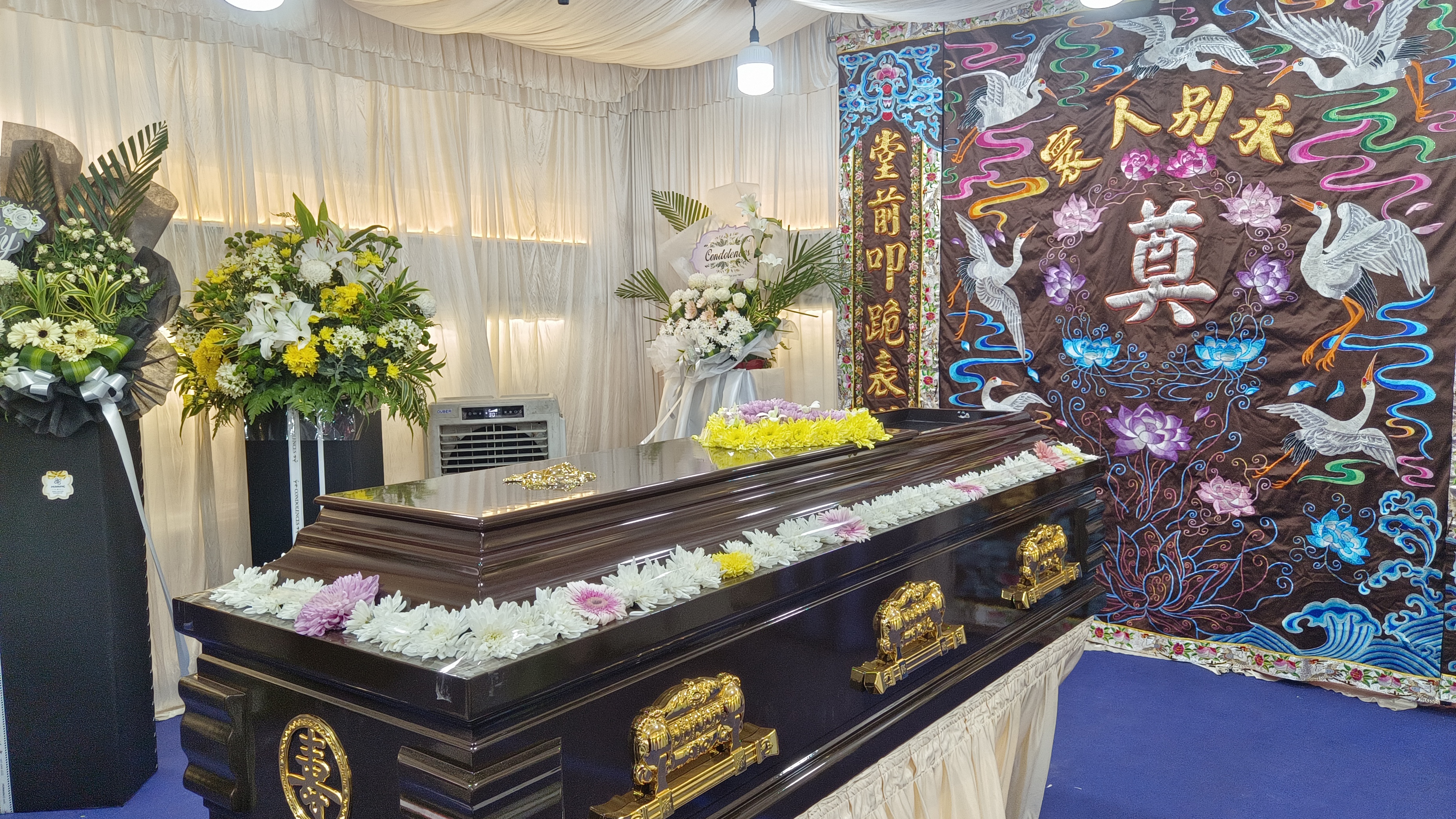
A Taoist Funeral is one of the most meaningful ways families honor their loved ones. Deeply rooted in Taoist philosophy, these funerals blend ritual, symbolism, and community participation. Every step reflects the belief in balance, cosmic order, and the continuation of life beyond death. In this article, we’ll explore five powerful rituals that define a Taoist Funeral and explain why they carry such timeless significance.
1. Chanting and Scripture Recitation
1. Guiding the Spirit
At a Taoist Funeral, priests chant scriptures to guide the spirit safely into the afterlife. These chants are more than words—they are spiritual pathways believed to light the way for the soul. Families take comfort knowing their loved one is supported, ensuring the transition from the physical to the spiritual world is safe and dignified.
2. Restoring Harmony
Chanting embodies Taoist philosophy by restoring balance between yin and yang. The sound vibrations are thought to realign energies, helping both the spirit and family maintain harmony. In this way, a Taoist Funeral not only honors the departed but also protects the living from spiritual imbalance.
3. Offering Comfort to the Living
The rhythm and tone of the chants bring solace to grieving hearts. Many describe the experience as calming, helping family members feel emotionally supported. This aspect of a Taoist Funeral is as much about healing the living as it is about honoring the dead.
4. Elevating the Ceremony
Without chanting, a funeral could feel like a farewell; with it, the event becomes a sacred ritual. The recitations create an atmosphere where spiritual presence is felt, and where the grieving process is infused with reverence.
5. Preserving Taoist Tradition
Every Taoist Funeral keeps alive centuries-old customs. Chanting demonstrates the continuity of culture, showing younger generations how Taoist wisdom is applied in times of grief.
2. Burning of Joss Paper and Offerings
1. Providing for the Afterlife
In a Taoist Funeral, joss paper and symbolic offerings are burned to send essential items like money, clothing, and even homes to the deceased. This ritual reassures families that their loved one will not want for anything in the afterlife.
2. Showing Filial Piety
The act of burning offerings reflects deep respect for ancestors. In Taoist culture, filial piety is a sacred duty, and this ritual demonstrates love and loyalty that extend beyond death.
3. Strengthening Spiritual Ties
Families believe the offerings sustain their spiritual bond with the departed. The act of giving ensures the deceased continues to feel cared for, bridging the gap between the earthly and spiritual realms.
4. Symbol of Letting Go
The rising smoke symbolizes love and memory carried into the heavens. For mourners, this act provides a moment of release, allowing them to let go with dignity and healing.
5. Eternal Care
By practicing this ritual, families emphasize that care does not end with death. A Taoist Funeral reinforces the belief that responsibility and devotion extend into eternity.
3. Cleansing and Protection Rituals
1. Warding Off Evil
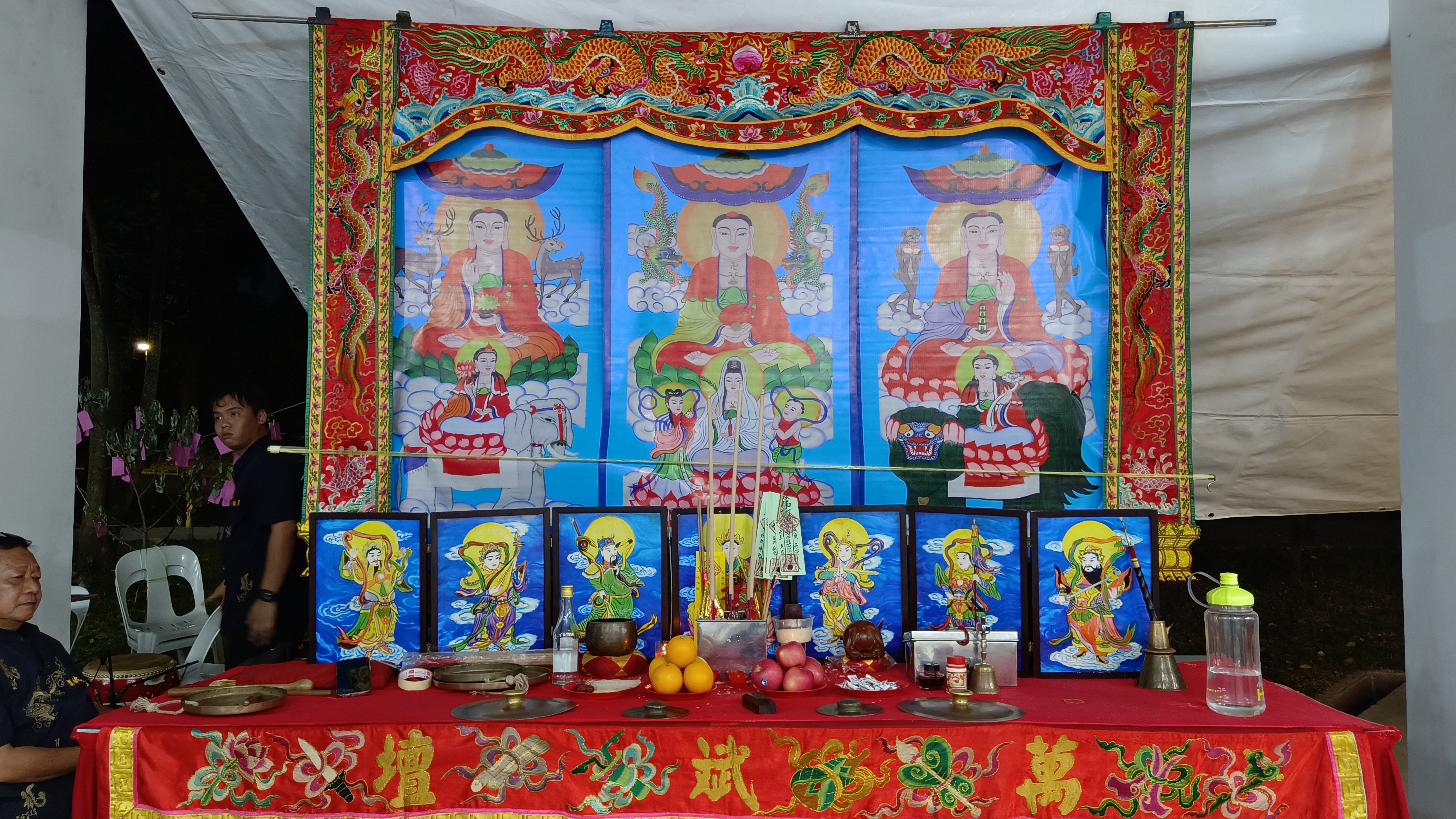
Taoist priests perform cleansing rituals to shield the spirit from harmful entities. These may include chanting, the use of talismans, or sprinkling sacred water, ensuring the soul has a safe passage.
2. Purifying the Space
The funeral environment itself is also purified. Incense, ritual tools, and sacred practices cleanse the area so that only positive energy surrounds the deceased and family.
3. Protecting the Family
Cleansing rituals are not only for the departed but also for the living. Families feel assured they are safe from misfortune or spiritual disruption, which is vital for emotional stability during grief.
4. Balancing Energies
Taoism views death as a transformation, not an end. These rituals help balance the shifting energies, ensuring harmony is maintained in the family and community.
5. Upholding Cosmic Order
By observing cleansing rites, families recognize that even in loss, the universe remains ordered. It reminds mourners of Taoist teachings: life and death are part of a natural, eternal cycle.
4. Ritual Procession and Final Send-Off
1. Honoring the Journey
The procession at a Taoist Funeral symbolizes the final journey of the deceased. Accompanying the body reflects the family’s support as they guide their loved one to the afterlife.
2. Traditional Music
Music from gongs, drums, and flutes is played during the procession. These sounds ward off evil and clear the spiritual path, ensuring safety for the soul on its journey.
3. Family Participation
Carrying incense, offerings, or photographs, family members actively take part in the procession. This creates a meaningful collective farewell, strengthening unity during grief.
4. Community Support
A Taoist Funeral is communal, not private. The procession allows neighbors, friends, and extended relatives to honor the deceased, offering collective comfort to the bereaved.
5. Closure and Transition
The final send-off is symbolic closure. It marks the moment when mourning shifts into acceptance, helping families embrace healing while knowing their loved one has been properly honored.
Learn more about roman catholic funeral customs here
5. Offerings of Food and Ritual Feasts
1. Feeding the Spirit
Food is offered at the altar to nourish the deceased in the afterlife. This reflects the Taoist belief that spirits continue to need care, just as they did in earthly life.
2. Symbol of Gratitude
Meals are given as tokens of thanks, honoring the life shared with the departed. It is an intimate act of remembrance that expresses love and appreciation.
3. Sharing Among the Living
After prayers, food is often shared among mourners. This reinforces togetherness, transforming grief into a moment of community support.
4. Connection to Ancestors
By offering food, families reaffirm their ties to ancestors. This practice embodies the Taoist view that bonds between generations remain unbroken, even by death.
5. Continuing the Cycle
The ritual feast reflects the Taoist teaching of continuity. While one life has ended, the act of sharing sustains harmony, reminding mourners of the eternal cycle of life and death.
Final Thoughts
A Taoist Funeral is not simply a farewell, it is a profound acknowledgment of life’s eternal cycle. Through chanting, burning offerings, cleansing rites, processions, and food offerings, families honor their loved ones with dignity while finding peace themselves. These rituals reflect Taoism’s focus on balance, harmony, and connection across worlds. Understanding the depth of a Taoist Funeral allows us to appreciate how it guides both the living and the departed with compassion and respect.