Introduction
A Hakka Taoist Funeral is one of the most deeply rooted and symbolic traditions in Chinese culture. It merges the spiritual wisdom of Taoism with the rich heritage of the Hakka community, creating a ceremony that is both reverent and personal. Every ritual in a Hakka Taoist Funeral carries meaning, guiding the soul toward peace while comforting the living. It reflects the Hakka people’s enduring respect for ancestors, their belief in the balance between heaven and earth, and their commitment to preserving family values through generations. In this article, we explore five powerful rituals that make a Hakka Taoist Funeral distinctive and meaningful.
1. Chanting and Scripture Recitation
1. Guiding the Spirit Toward Peace
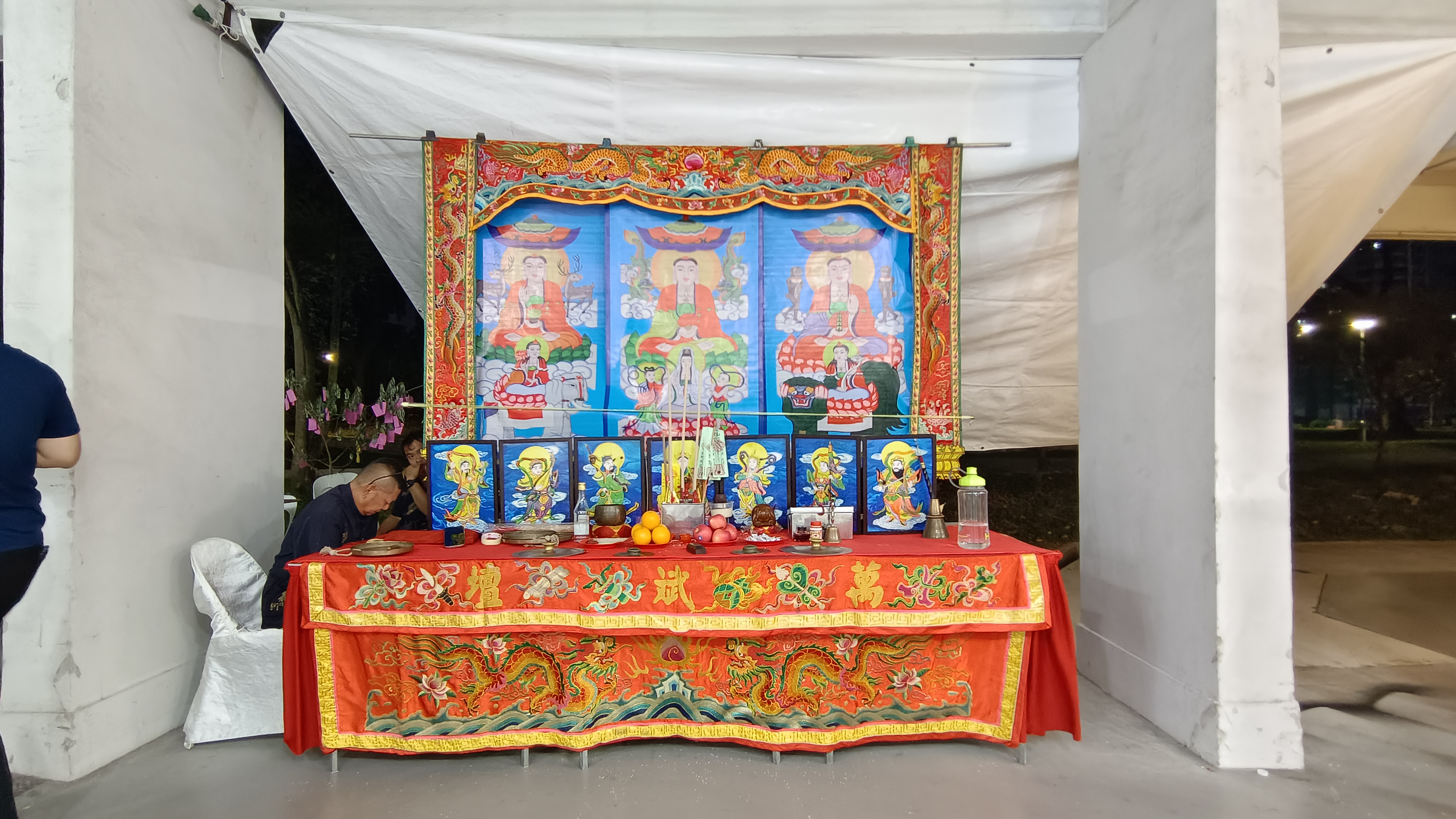
The chanting of sacred scriptures is central to every Hakka Taoist Funeral. Taoist priests lead these prayers to guide the soul of the deceased safely through the realms of the afterlife. The chants are performed rhythmically and with great precision, believed to ward off negative energies and help the spirit ascend peacefully. Families take comfort in knowing that their loved one is spiritually supported and surrounded by divine protection.
2. Symbolizing Balance and Harmony
Taoism teaches that harmony between yin and yang is essential for peace in both life and death. The chanting at a Hakka Taoist Funeral represents the restoration of this balance, aligning spiritual energy within the home and family. This harmony ensures that the soul transitions smoothly while the living regain emotional equilibrium after loss.
3. Providing Comfort to the Living
The melodic rhythm of chanting not only assists the departed but also calms the hearts of mourners. At a Hakka Taoist Funeral, families often describe the chanting as soothing, helping them process their grief in a serene and sacred space. The gentle sounds transform the atmosphere into one of peace and reflection.
4. Continuing a Legacy of Faith
The practice of chanting and reciting scriptures preserves centuries of Taoist and Hakka spiritual heritage. Each Hakka Taoist Funeral becomes a living expression of the community’s belief in compassion, balance, and the eternal cycle of life and death. By passing these rituals on, families ensure that faith remains alive across generations.
5. Uniting the Community in Prayer
In many Hakka Taoist Funerals, extended family members and even neighbors join in the chanting. This collective act of devotion represents unity and mutual care, strengthening bonds within the community while offering blessings to the deceased.
2. Burning of Joss Paper and Symbolic Offerings
1. Providing Comfort in the Afterlife
One of the most distinctive customs of a Hakka Taoist Funeral is the burning of joss paper, also known as “hell money.” Families prepare paper replicas of daily necessities such as clothes, houses, and gold, sending them through fire to the spirit world. This act reflects the belief that the deceased continues to exist and requires care, ensuring they remain comfortable in the afterlife.
2. Honoring Ancestors Through Generosity
The burning of offerings at a Hakka Taoist Funeral is more than symbolic. It is an act of love and gratitude. It demonstrates filial piety, a value deeply embedded in both Hakka and Taoist culture. By sending these offerings, the family expresses their ongoing respect and obligation to their loved one.
3. Connecting the Living and the Departed
The rising smoke from joss paper during a Hakka Taoist Funeral serves as a spiritual bridge between the earthly and celestial worlds. Families believe the smoke carries messages of remembrance, love, and prayers to the deceased. This act strengthens emotional bonds, providing peace to those left behind.
4. Teaching the Value of Gratitude
Involving younger generations in preparing and burning offerings helps preserve cultural knowledge. It teaches them that remembrance and gratitude are timeless duties, ensuring that the meaning behind the Hakka Taoist Funeral continues to resonate.
5. Sustaining Family Continuity
This custom reflects a core Taoist belief that the living and the departed remain connected through acts of devotion. Each Hakka Taoist Funeral reinforces this continuity, showing that love and duty extend far beyond a single lifetime.
Contact Us Today
3. Cleansing and Purification Rites
1. Purifying the Surroundings
Before or during a Hakka Taoist Funeral, priests perform purification rites using incense, blessed water, and sacred talismans. These acts cleanse the environment of negative energy and invite divine protection. Purification creates a serene and respectful setting where prayers can be heard clearly and spirits can move freely.
2. Protecting the Family
Death is believed to temporarily disturb spiritual balance. During a Hakka Taoist Funeral, cleansing rituals protect the family from misfortune and cleanse them of spiritual impurities. Priests often sprinkle water around the home or altar and recite chants for protection, ensuring that peace and safety are restored.
3. Restoring Spiritual Harmony
Cleansing rituals are essential to reestablishing balance between the realms of life and death. They help both the living and the deceased transition into new states of being with clarity and calmness. Through these practices, the Hakka Taoist Funeral embodies the Taoist goal of achieving harmony between all forms of existence.
4. Healing Through Ritual
These purification ceremonies also help the grieving family find emotional healing. The act of cleansing symbolizes letting go of sorrow and allowing light to return to their lives. It turns mourning into a pathway toward renewal.
5. Preserving Taoist Principles
Each cleansing rite performed in a Hakka Taoist Funeral is rooted in ancient Taoist wisdom that emphasizes balance, order, and reverence for nature. Families who continue these rituals keep alive the sacred philosophy that connects human beings with the greater cosmos.
4. The Funeral Procession and Musical Farewell
1. A Journey of Devotion
The funeral procession is one of the most important moments in a Hakka Taoist Funeral. Family members accompany the casket, symbolizing their role in guiding the departed toward eternal peace. This final journey reflects loyalty, devotion, and deep respect for the deceased.
2. Traditional Instruments and Ritual Music
The sound of drums, cymbals, and flutes fills the air during the procession. In a Hakka Taoist Funeral, these instruments serve a dual purpose. They honor the departed and drive away malevolent spirits. The solemn rhythm creates an atmosphere of both grief and reverence, echoing through the streets as a farewell song for the soul.
3. Participation of Family and Community
A Hakka Taoist Funeral is rarely a private event. The community gathers to support the bereaved family, joining the procession and offering prayers. This act of solidarity reflects the Hakka belief in unity and the strength found in shared compassion.
4. The Symbolism of Movement
The procession represents the passage from the physical world to the spiritual realm. Walking alongside the casket reminds the family that they are accompanying their loved one to the threshold of a new existence. This symbolic journey provides closure and emotional release.
5. The Final Farewell
As the Hakka Taoist Funeral concludes, the burial or cremation signifies both an ending and a new beginning. Families express gratitude, offer incense, and bow deeply one last time. This final gesture encapsulates love, respect, and the understanding that life continues in another form.
5. The Feast of Remembrance
1. Honoring Through Food
Following the ceremony, families often hold a remembrance feast to honor the deceased. Food plays a vital role in a Hakka Taoist Funeral, symbolizing continuity, gratitude, and community. Dishes are carefully chosen to represent harmony and blessing.
2. Sharing Memories
During the feast, relatives and friends gather to share stories and celebrate the life of the departed. This gathering allows mourners to transform grief into appreciation, turning the funeral into a moment of connection and healing.
3. Offering to Ancestors
A portion of the meal is often placed before the ancestral altar. This act reflects the Taoist and Hakka belief that the deceased remains a part of the family and should continue to receive offerings and love.
4. Uniting Generations
The remembrance feast brings together elders and youth, ensuring that the younger generation understands the importance of honoring the past. Through shared food and storytelling, families pass down their values and collective identity.
5. Renewing Bonds of Community
In a Hakka Taoist Funeral, the remembrance feast also strengthens social ties. It brings together neighbors, friends, and extended relatives, reminding everyone that in times of loss, unity and compassion are the greatest sources of strength.
Final Thoughts
A Hakka Taoist Funeral is more than a farewell. It is a profound expression of faith, culture, and continuity. Each ritual, from chanting and offerings to purification, processions, and remembrance feasts, reveals the beauty of Taoist philosophy as interpreted through Hakka tradition. It honors the departed with dignity while nurturing peace and healing for the living. Through these meaningful practices, families preserve the essence of compassion, respect, and spiritual harmony that define both Taoist belief and Hakka heritage.