
Introduction
A Roman Catholic funeral is more than a farewell, it is a sacred ritual that celebrates the hope of resurrection and eternal life. Every prayer, hymn, and ritual draws from centuries of tradition meant to honor the deceased and comfort the living. Understanding what happens during a Roman Catholic funeral can help families and guests prepare for this profound experience. Whether you are attending for the first time or planning one for a loved one, these four steps offer guidance, reassurance, and peace.
1. The Vigil (Wake)
1. Gathering in Prayer
The vigil, sometimes called the wake, is the first step in a Roman Catholic Funeral. Family and friends gather in prayer, offering condolences, sharing memories, and standing together in grief. This early stage of the funeral allows loved ones to begin processing their emotions in a supportive environment. The presence of community at the vigil reassures the bereaved that they are not alone in their sorrow. By coming together in faith, the vigil helps create the foundation for the sacred rites that follow in a Roman Catholic Funeral.
2. Scripture and Reflection
Scripture is often read at the vigil of a Roman Catholic Funeral to remind families of God’s love and the promise of eternal life. These passages, chosen carefully, help mourners reflect on faith in the midst of their loss. The words bring both comfort and perspective, guiding families toward hope. Reflection at this stage allows mourners to see the life of the deceased as part of a greater spiritual journey. In doing so, the vigil connects the family’s grief to the larger story of salvation.
3. The Rosary Tradition
In many Roman Catholic Funerals, the Rosary is prayed during the vigil. This devotion to Mary is deeply comforting, as families believe her intercession brings peace to the soul of the departed. The rhythmic prayer provides structure and calm during a time of emotional upheaval. It also gives mourners a way to focus their hearts and minds on faith rather than despair. Through the Rosary, families find strength in tradition and reassurance in Mary’s guidance.
4. Space for Eulogies
The vigil in a Roman Catholic Funeral is often the most appropriate place for eulogies, allowing family and friends to share stories and tributes. These personal reflections highlight the unique qualities of the deceased and keep their memory alive. The combination of faith and storytelling makes the vigil both sacred and intimate. Eulogies at this stage provide a balance of mourning and gratitude, reminding mourners of the joy their loved one brought into their lives. This space also helps set the tone for the funeral Mass, which remains more formal and prayer-focused.
5. A Gentle Beginning
As the first gathering, the vigil creates a gentle entry into the larger rites of a Roman Catholic Funeral. It allows families to express grief openly, while also framing loss in the light of faith. The vigil reassures mourners that healing begins not with silence, but with prayer and community. It is both a farewell and a preparation for the solemn rituals to come. This balance of emotion and reverence makes the vigil a meaningful first step.
2. The Funeral Mass
1. Celebration of the Eucharist
The funeral Mass is the central and most sacred part of a Roman Catholic Funeral. During the Eucharist, Catholics believe that Christ is truly present, offering hope through His sacrifice and resurrection. This celebration affirms the faith that death is not the end, but the passage to eternal life. The Eucharist connects the living with the deceased through the mystery of Christ’s body and blood. For families, this moment provides both spiritual reassurance and a deep sense of unity.
2. Scripture and Homily
Scripture readings during the Mass of a Roman Catholic Funeral focus on God’s love, the hope of resurrection, and the promise of salvation. These passages bring comfort while reminding mourners of the larger Christian story. The priest’s homily interprets these readings, offering guidance and words of peace. By weaving together scripture and the life of the deceased, the homily helps mourners find meaning in their grief. This combination of teaching and encouragement anchors the funeral in faith.
3. Prayers of Intercession
At a Roman Catholic Funeral, the congregation prays for the soul of the deceased as well as for the comfort of their family. These prayers ask God for mercy and for the strength of those left behind. They express the Church’s belief that prayer continues to matter even after death. For mourners, hearing these intercessions can be a source of healing and solidarity. It reinforces the idea that grief is carried by the entire community of faith.
4. Hymns and Sacred Music
Sacred music plays an essential role in the funeral Mass of a Roman Catholic Funeral. Hymns such as Ave Maria or Be Not Afraid lift the spirit, providing beauty in the midst of sorrow. These hymns reflect both mourning and hope, reminding families of God’s eternal presence. Music also encourages active participation, helping mourners find expression for emotions that words alone cannot convey. The blend of prayer and melody creates a moment that is both solemn and uplifting.
5. Communion for the Faithful
Communion is offered to Catholics present, creating a powerful moment of unity at a Roman Catholic Funeral. Sharing in the Eucharist connects the community to Christ and to one another. For grieving families, this act reinforces the Christian belief in eternal life and reunion in heaven. Communion also provides strength to mourners, offering spiritual nourishment during a time of weakness. It is both a personal act of devotion and a communal expression of hope.
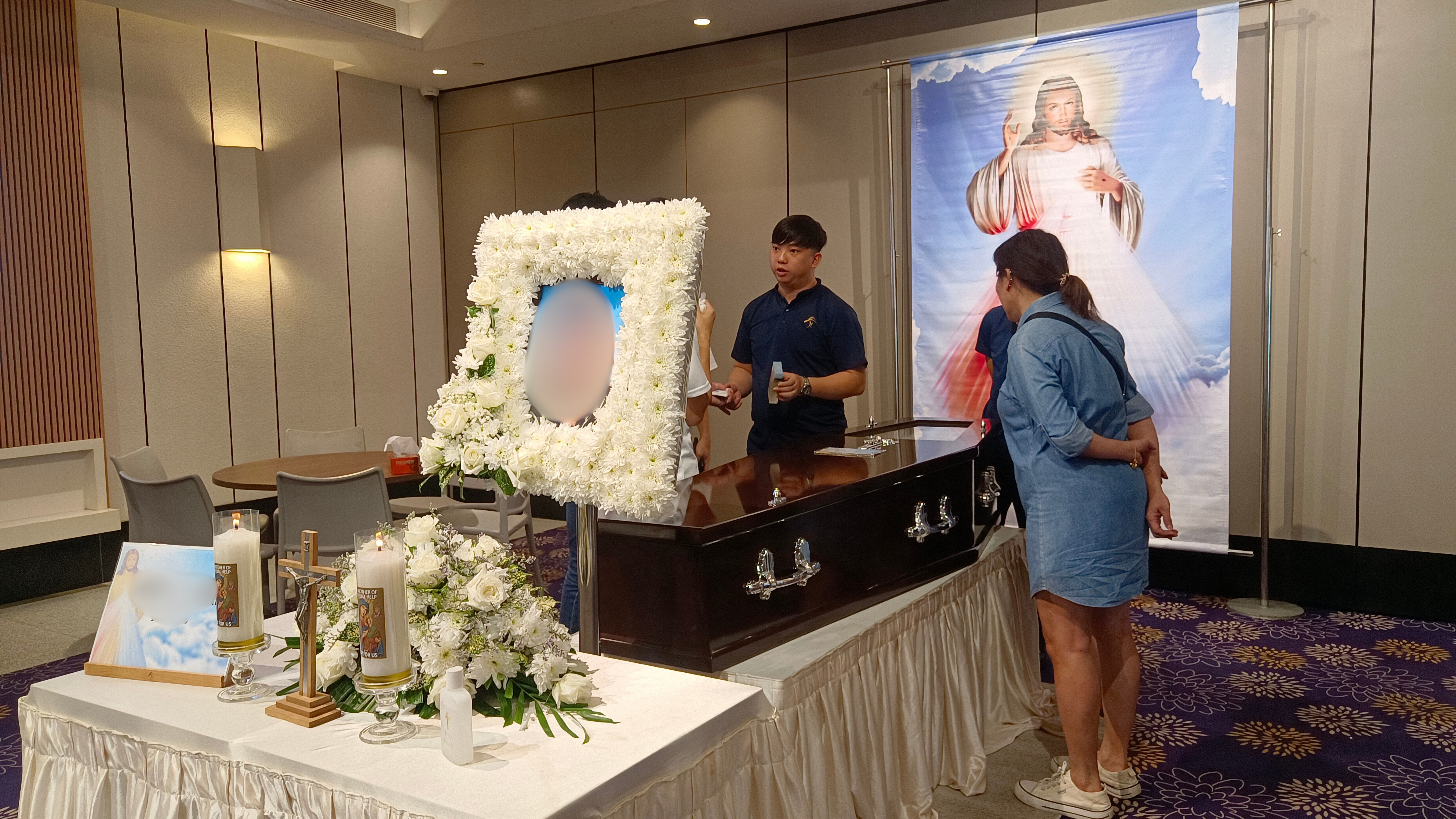
3. The Final Commendation
1. A Farewell in Faith
The final commendation marks the Church’s farewell to the deceased in a Roman Catholic Funeral. In this sacred moment, the priest commends the soul of the departed into God’s care. It reassures families that their loved one is entrusted to divine mercy and eternal rest. The commendation blends sorrow with hope, offering closure for mourners. It also highlights the belief that death is not a final end, but a transition to eternal life.
2. Symbols of Baptism
During the final commendation at a Roman Catholic Funeral, holy water, incense, and the Paschal candle are often used. These elements recall the deceased’s baptism and their belonging to Christ. The sprinkling of holy water reminds families of rebirth in Christ, while incense symbolizes prayers rising to heaven. The Paschal candle, a sign of resurrection, brings light into a moment of darkness. These symbols deepen the spiritual meaning of the farewell.
3. Prayers of Release
Special prayers are said during the commendation, asking God to welcome the deceased into His kingdom. At a Roman Catholic Funeral, these prayers release the loved one from earthly ties and commend them to eternal peace. Families often find comfort in hearing words that both honor their grief and affirm their faith. The prayers acknowledge the pain of separation but also offer the hope of reunion. This balance of sorrow and hope is the heart of the commendation.
4. A Community of Support
The commendation is not only a farewell from the Church but also from the community gathered at a Roman Catholic Funeral. By standing together in prayer, mourners express solidarity with the grieving family. This unity helps lighten the burden of loss, reminding families that they are surrounded by care and compassion. It also emphasizes that faith is shared, not carried alone. In this way, the commendation becomes a moment of collective strength.
5. Transition to Burial
The final commendation bridges the Mass with the burial. In a Roman Catholic Funeral, it prepares mourners for the act of laying their loved one to rest, both physically and spiritually. This transition helps families move forward while still grounded in faith. The commendation closes the liturgical rites and opens the way to the final act of farewell. It is both an ending and a continuation of faith’s promise.
4. The Rite of Committal (Burial)
1. At the Graveside
The committal service takes place at the cemetery or columbarium, often in a more intimate setting. In a Roman Catholic Funeral, the priest leads prayers, blessing the site and entrusting the body to the earth. This gathering allows families to say a final farewell surrounded by community. Being outdoors often adds a natural sense of closure, with the physical resting place marking a turning point in grief. The solemnity of the moment reinforces the sacredness of the act.
2. Returning to the Earth
The words “ashes to ashes, dust to dust” are often spoken at a Roman Catholic Funeral, echoing the biblical truth of human mortality. This moment reminds mourners of life’s impermanence and God’s promise of resurrection. It acknowledges the reality of death while affirming hope. The act of returning to the earth reflects the Christian belief in new life to come. Families are comforted by the assurance that their loved one rests in God’s plan.
3. Final Acts of Love
Family members often place flowers, soil, or holy water at the gravesite of a Roman Catholic Funeral. These gestures are small but deeply symbolic, expressing ongoing love even after death. Such acts give mourners a tangible way to say goodbye. They also serve as a reminder that love endures beyond physical presence. For families, these acts help turn sorrow into a meaningful expression of care.
4. Prayerful Support
The committal service allows the community to pray one last time for the deceased. At a Roman Catholic Funeral, families feel the embrace of shared faith as they stand together at the graveside. This prayerful support reassures them that they are not alone in their grief. It also reinforces the idea that love and faith extend into every stage of farewell. This solidarity helps families leave with a measure of peace.
5. A Hopeful Conclusion
The rite of committal concludes with prayers of hope and blessing. At the close of a Roman Catholic Funeral, the priest entrusts the departed to God’s eternal care, affirming faith in the resurrection. For the family, these words transform a painful moment into one of assurance. The conclusion of the funeral does not erase grief but offers hope that life continues in God’s presence. It leaves families with both closure and comfort.
Final Thoughts
A Roman Catholic funeral is a profound journey of prayer, remembrance, and faith. From the vigil to the committal, each step is steeped in sacred tradition and meaning. These rites not only honor the deceased but also provide comfort, hope, and strength for the living. By understanding the steps of a Roman Catholic funeral, families and guests can approach the service with reverence and peace.
If you are preparing for a loved one’s farewell, it may also help to consider the setting where these sacred rites take place. Families in Singapore can find comfort in choosing a space that provides both dignity and peace for the service. You can discover Roman Catholic funeral services and parlours in Singapore that offer compassionate support and a respectful environment for your family.
In the midst of sorrow, the Church’s traditions remind us that death is not the end but a passage into everlasting life.
Click here to learn more about Christian Funerals