Introduction
A Cantonese Taoist Funeral is a profound expression of respect, spirituality, and cultural heritage. Rooted in Taoist philosophy and shaped by Cantonese customs, this funeral tradition is known for its depth, symbolism, and carefully structured rituals. Each practice within a Cantonese Taoist Funeral is designed to guide the soul safely into the afterlife while offering emotional comfort to the living. These rituals reflect the Cantonese community’s strong emphasis on filial piety, harmony, and continuity across generations. In this article, we explore four powerful and timeless rituals you should know when understanding the meaning and beauty behind a Cantonese Taoist Funeral.
1. Scripture Chanting and Spiritual Recitation
1. Guiding the Spirit on Its Journey
The chanting of scriptures is central to every Cantonese Taoist Funeral. Taoist priests recite sacred texts to guide the departed through the spiritual realms and protect them from harmful forces. The steady rhythm of chanting creates a pathway of light, ensuring the soul transitions peacefully. For many families, the chants offer reassurance that their loved one is spiritually supported throughout this sacred passage.
2. Restoring Universal Balance
Taoist belief teaches that death is a shift in energy, not an end. Scripture chanting at a Cantonese Taoist Funeral helps restore balance between yin and yang, anchoring harmony in both the physical and spiritual realms. This ritual realigns energy within the home and reassures the family that cosmic order is being restored after their loss.
3. Comforting the Family Through Sacred Sound
Beyond spiritual guidance, chanting brings emotional comfort. The sound carries a calming, meditative quality that allows mourners to process their grief with a sense of grounding. During a Cantonese Taoist Funeral, this atmosphere helps families feel safe, supported, and spiritually anchored.
4. Preserving Taoist Tradition
The recitation of scriptures helps pass down Taoist teachings across generations. Younger family members observing the Cantonese Taoist Funeral experience these beliefs firsthand, connecting them to ancestral wisdom and cultural identity.
5. Creating a Sacred Space
Chanting transforms the environment into a sacred space. The presence of priests, the fragrance of incense, and the cadence of prayers work together to elevate the ceremony beyond a farewell, turning it into a moment of spiritual truth, devotion, and unity.
2. Burning of Joss Paper and Ancestral Offerings
1. Providing Essentials for the Afterlife
The burning of joss paper is an essential ritual in every Cantonese Taoist Funeral. Families prepare symbolic items such as paper money, clothing, and even miniature houses to send to the deceased in the afterlife. By burning these offerings, the family continues to provide care and ensures their loved one is well-equipped in the spiritual realm.
2. Reflecting Filial Piety
This act strongly reflects the Cantonese value of filial piety. In a Cantonese Taoist Funeral, offerings are not simply symbolic—they are expressions of love, gratitude, and lifelong duty to one’s elders. By preparing these gifts, family members show that their devotion does not end with death.
3. Bridging the Physical and Spiritual Worlds
The rising smoke from joss paper becomes a spiritual bridge. Families believe the smoke carries blessings and messages to the departed, creating a connection that brings comfort and emotional closeness. This moment reminds mourners that love transcends physical boundaries.
4. Teaching the Next Generation
Involving children and younger relatives in this ritual ensures that cultural knowledge is passed on. A Cantonese Taoist Funeral becomes an opportunity to teach values of respect, remembrance, and gratitude.
5. Strengthening Family Unity
Preparing offerings often becomes a shared family activity, allowing relatives to gather, support one another, and honor the deceased collectively. This unity is one of the defining strengths of the Cantonese Taoist Funeral tradition.
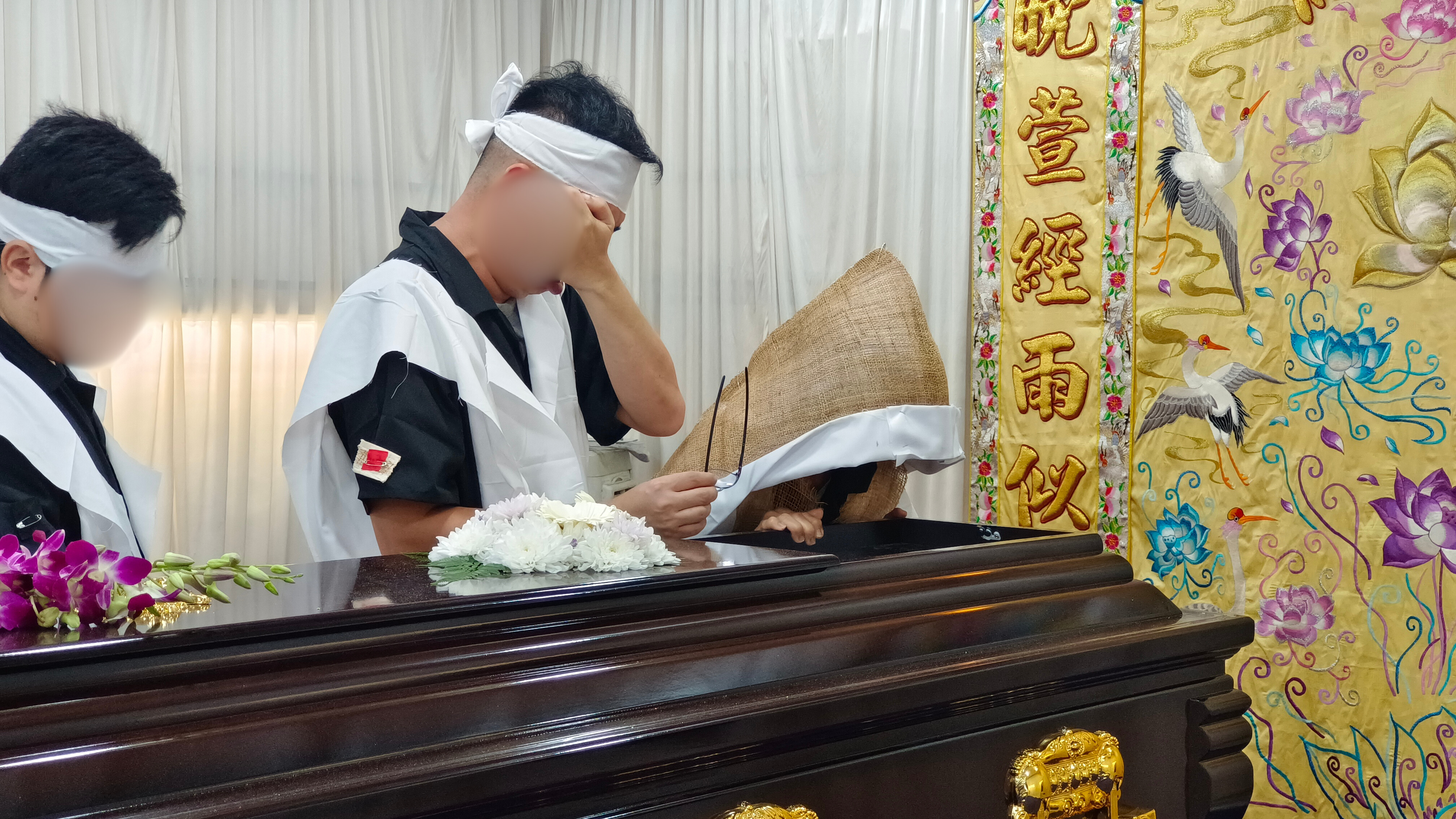
3. Cleansing and Spiritual Protection Rituals
1. Purifying the Home
Cleansing rituals are integral to the Cantonese Taoist Funeral. Priests use incense, blessed water, and talismans to purify the home, ensuring the environment remains spiritually clean. This purification removes negative energy and prepares the space for sacred ceremonies.
2. Protecting the Family from Misfortune
It is believed that the energy around death can be spiritually heavy. To safeguard the family, priests perform protective rites that shield them from misfortune. This reassurance is especially meaningful during a time of emotional vulnerability.
3. Restoring Harmony After Loss
Death can disrupt the spiritual balance of a household. Cleansing rituals during a Cantonese Taoist Funeral restore harmony and help grieving families regain emotional and energetic stability. This process supports healing and renewal.
4. Honoring Taoist Philosophy
These rituals embody core Taoist teachings about balance and the natural cycle of life. Through cleansing and protection practices, families honor the belief that harmony must be maintained not only for the departed but also for the living.
5. Creating a Safe Spiritual Environment
Purification ensures that prayers, chants, and offerings take place in a spiritually safe and receptive environment. Every step in the Cantonese Taoist Funeral flows from this foundation of purity and protection.
Reach Out Today
4. The Funeral Procession and Final Send-Off
1. A Journey of Devotion
The funeral procession is one of the most visually distinctive elements of a Cantonese Taoist Funeral. Family members walk with the casket, symbolizing their ongoing support for the deceased. This act shows loyalty, love, and the deep respect that defines Cantonese tradition.
2. Ritual Music and Symbolic Sounds
Gongs, drums, and flutes accompany the procession, filling the atmosphere with solemn rhythm. These sounds are believed to ward off unwanted spirits and protect the soul on its journey. In a Cantonese Taoist Funeral, music becomes both a farewell and a shield.
3. Strength of Community Support
Community members often join the procession, offering support to the bereaved family. This shared participation reinforces the Cantonese belief that grief is carried together and that unity is a powerful source of comfort.
4. Symbolism of Walking Together
Walking with the casket symbolizes guiding the deceased through their final moments in the physical world. This meaningful act provides closure and allows the family to express their last act of devotion.
5. Honoring the Cycle of Life
The final send-off marks both an ending and a transition. As the Cantonese Taoist Funeral reaches its conclusion through burial or cremation, families express gratitude and acceptance, honoring the Taoist belief in the eternal cycle of life, death, and renewal.
Final Thoughts
A Cantonese Taoist Funeral is a profound blend of spirituality, heritage, and compassion. Through chanting, offerings, cleansing rituals, and the final procession, families honor their loved ones with deep sincerity while finding comfort and meaning themselves. These powerful and timeless rituals preserve cultural values, strengthen family unity, and maintain harmony between the human and spiritual worlds. Understanding these practices helps us appreciate the beauty and depth of the Cantonese Taoist Funeral and the wisdom it carries across generations.