
Introduction
Funerals are a time of deep reflection, and for many, they mark not just an end but also a transition. In Buddhist funerals, every gesture, prayer, and ritual carries meaning rooted in compassion and the teachings of the Buddha. These practices not only honor the departed but also bring peace and guidance to grieving families. Understanding the traditions of Buddhist funerals can help you approach them with respect and awareness.
1. Chanting of Sutras
1. Reciting Sacred Texts
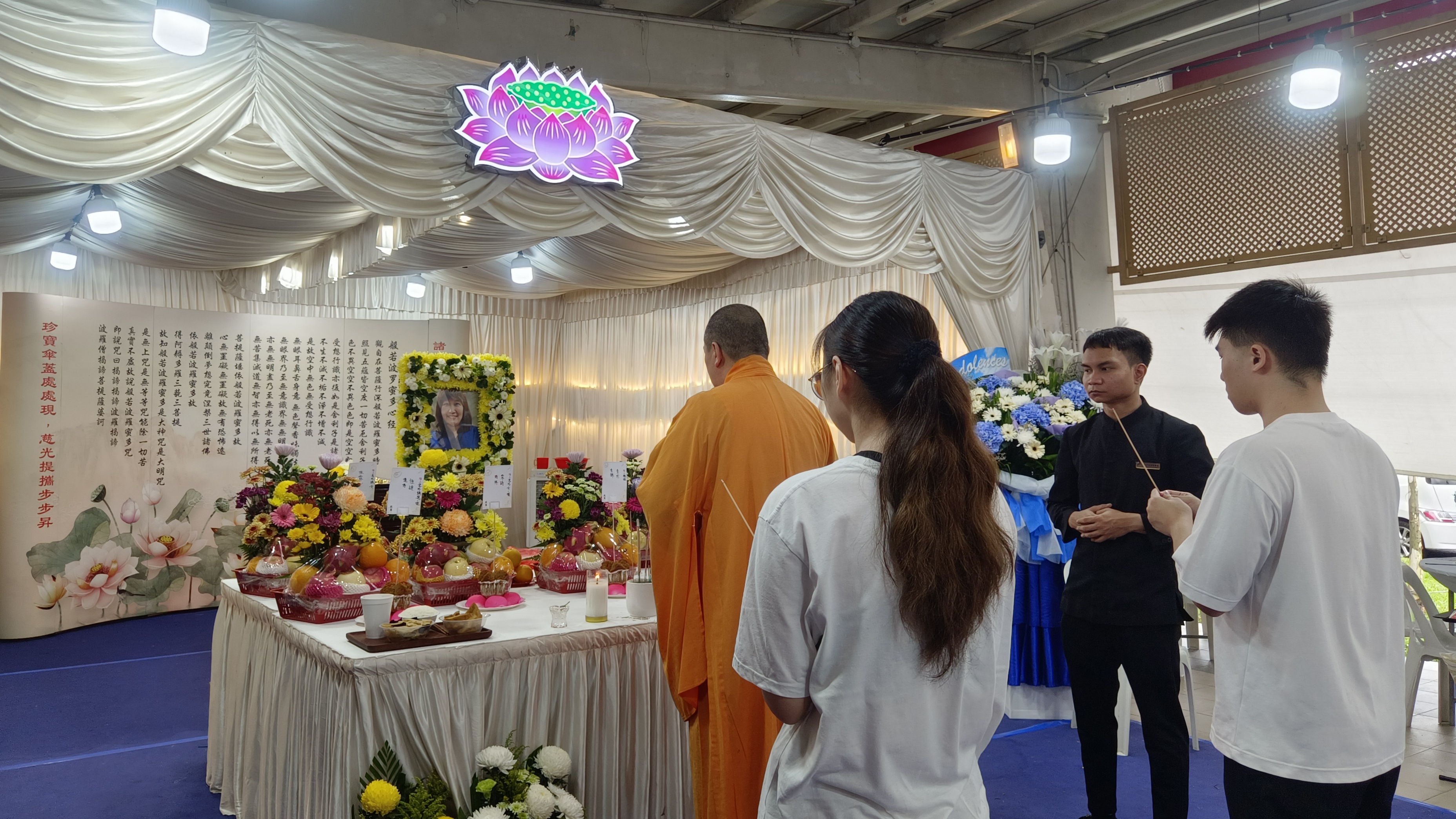
One of the most important aspects of Buddhist funerals is the chanting of sutras, which are sacred Buddhist scriptures. These chants are often led by monks but can also involve family members and attendees. The intention behind the chanting is to guide the deceased on their journey into the next life, ensuring that their mind remains calm and free from fear. This practice reflects the Buddhist belief in compassion and the wish for a favorable rebirth. For mourners, hearing the sutras can also bring comfort, as the familiar sounds carry spiritual reassurance.
2. Creating an Atmosphere of Peace
Chanting is not only for the deceased but also for the living. During Buddhist funerals, the rhythmic cadence of the chants helps to create a deeply calming atmosphere. This serenity allows grieving families to find a sense of stability during a time of intense emotion. The sound of the sutras reminds everyone present of life’s impermanence and the importance of mindfulness. In this way, the chanting serves as both a spiritual practice and a form of emotional support.
3. A Collective Act of Merit
In Buddhist funerals, chanting is also viewed as a way of generating merit, which can then be transferred to the deceased. This merit is thought to help ease their journey in the afterlife. Because chanting often involves the collective effort of monks, family members, and sometimes the community, it becomes a shared act of compassion. The idea is that by coming together to recite the teachings of the Buddha, all present contribute positively to the departed’s spiritual well-being. This collective approach emphasizes the interconnectedness of life and death.
4. Inviting Reflection for the Living
Hearing the chanting of sutras at Buddhist funerals also serves as a reminder to the living about the core principles of Buddhism. The words often emphasize impermanence, compassion, and detachment from worldly concerns. For mourners, this can be an invitation to reflect not only on the life of the deceased but also on their own actions and relationships. Many find that the chanting encourages them to live with greater mindfulness and kindness. Thus, the practice provides meaning not only for the departed but also for those left behind.
5. Connecting Generations
Chanting during Buddhist funerals often involves multiple generations of a family. Parents, children, and grandparents may join together in the ritual, strengthening family unity even in times of grief. This creates a shared memory that continues to connect families to their cultural and spiritual roots. For younger members, participating in chanting may also be their first real introduction to Buddhist traditions. It becomes a way to pass down both faith and values across generations.
2. Offering of Food and Incense
1. Symbol of Generosity
Offerings are a central part of Buddhist funerals and symbolize the virtue of generosity. Families often prepare fruits, simple meals, and incense as part of the ceremony. This act of giving is not only meant for the deceased but is also an offering to the Buddha, Dharma, and Sangha. Generosity, or dāna, is a key teaching in Buddhism, and by practicing it during funerals, families reaffirm their commitment to compassion. These offerings remind the living of the importance of giving selflessly, even during times of sorrow.
2. Providing for the Departed
Symbolically, the food and incense offered during Buddhist funerals are believed to provide spiritual support for the deceased. It is thought that these offerings nourish the spirit as it journeys toward rebirth. While the deceased cannot literally consume the food, the act of offering reflects the family’s love and care. It is an expression of the desire to help their loved one find peace and comfort. In this way, offerings serve both a symbolic and emotional purpose.
3. Incense as a Bridge
The burning of incense is one of the most recognizable traditions in Buddhist funerals. Rising smoke is seen as a bridge between the physical world and the spiritual realm. Each stick of incense represents prayers and thoughts sent to the deceased, as well as an offering to the Buddha. The fragrance creates a sacred atmosphere, allowing mourners to focus their minds on remembrance and compassion. This act helps transform grief into a meditative moment of connection.
4. Cultivating Detachment
Another important meaning behind offerings in Buddhist funerals is the reminder of non-attachment. While families may bring food and other items, they are reminded that nothing material can be carried into the next life. This practice helps mourners come to terms with the impermanence of worldly possessions. It shifts the focus from clinging to material things toward cherishing spiritual values like compassion, generosity, and kindness. In this way, offerings serve as a lesson for both the departed and the living.
5. Shared Ritual of Respect
During Buddhist funerals, guests often participate in offerings as well, either by bowing before the altar or placing incense. This shared act allows everyone present to take part in honoring the deceased. It fosters a sense of unity among mourners, as each person contributes to the remembrance of the departed. The communal aspect of the offering ritual emphasizes respect and compassion for the grieving family. It is a way of showing solidarity in both sorrow and hope.
3. The Role of Monks
1. Leading the Ceremonies
Monks play an essential role in Buddhist funerals by leading the rituals and guiding the family through the process. They ensure that the ceremonies are performed in accordance with Buddhist teachings. This leadership helps families who may not be familiar with every ritual feel confident that they are honoring their loved one properly. Monks also create an atmosphere of dignity and reverence, which brings comfort to those present. Their presence reinforces the spiritual foundation of the funeral.
2. Offering Spiritual Support
Beyond ritual leadership, monks provide invaluable spiritual support to grieving families at Buddhist funerals. They often share teachings that remind mourners of impermanence and compassion. These words can help soften the sharpness of grief by placing loss within the broader framework of Buddhist wisdom. Many families find comfort in knowing that their loved one is being honored under the care of the Sangha, or community of monks. This guidance is often remembered long after the funeral ends.
3. Guiding the Departed
In Buddhist funerals, monks are also seen as guiding the deceased through their transition into the next life. Their chants and prayers are believed to protect the spirit and lead it toward a favorable rebirth. This role reflects the deep trust placed in the Sangha by Buddhist families. By involving monks, families ensure that their loved one receives not only respect but also spiritual direction. This guidance provides assurance to mourners that they have done their best for the departed.
4. Teaching Impermanence
Monks also remind attendees at Buddhist funerals of the central teaching of impermanence. Their words often encourage mourners to reflect on the transient nature of life and the importance of mindful living. While this may be a difficult message during grief, it also brings peace by emphasizing acceptance. Hearing these teachings helps the living find strength to move forward with compassion. This reminder is one of the gifts monks bring to the funeral setting.
5. Linking Community and Faith
Finally, the presence of monks at Buddhist funerals strengthens the bond between the family and the wider Buddhist community. It demonstrates that grief is not carried alone but is supported by a network of faith and compassion. This connection reassures families that they are part of a tradition larger than themselves. For many, this sense of belonging becomes a source of healing. It reflects the Buddhist principle of interdependence—that all beings are connected.\
4. Transfer of Merit
1. Acts of Good Deeds
One of the most meaningful traditions at Buddhist funerals is the transfer of merit. Families engage in good deeds, such as donating to charities, supporting temples, or helping those in need. These actions are performed in the name of the deceased, with the belief that the positive karma generated will benefit them. The practice encourages mourners to focus on compassion rather than despair. It transforms grief into a powerful force for kindness.
2. Belief in Merit Sharing
The idea behind merit transfer is that the good energy or karma created by the living can be shared with the deceased. In Buddhist funerals, this is considered a way to ease the loved one’s passage and support a favorable rebirth. Families often dedicate prayers, donations, and other virtuous acts to their loved one. This belief highlights the interconnectedness between the living and the departed. It assures mourners that they can still help their loved one, even after death.
3. Encouraging Compassion
Transfer of merit during Buddhist funerals also serves as a reminder to practice compassion for all beings. By doing good deeds for the sake of the deceased, mourners naturally extend kindness to others. This practice shifts the focus of grief outward, helping families transform sorrow into positive action. It reinforces the Buddhist idea that love and compassion should guide every stage of life, including death. Over time, these acts create a ripple effect of goodness in the community.
4. Teaching Interconnectedness
Merit transfer underscores the Buddhist belief that all lives are interconnected. The actions of one person can influence another, even after death. In Buddhist funerals, this teaching reassures families that their good deeds truly matter. It emphasizes that the bonds of love and compassion do not end with death but continue in different forms. This interconnectedness brings comfort by showing that death is not a complete separation.
5. Creating a Legacy of Goodness
Through acts of merit transfer, families ensure that their loved one is remembered not just through mourning but through kindness. The deceased leaves behind a legacy of good deeds that inspire others to continue the cycle of compassion. In Buddhist funerals, this is seen as one of the most meaningful ways to honor a life. Families often take comfort in knowing that the goodness generated will benefit both the deceased and the living. This tradition turns grief into a celebration of virtue.
5. The Forty-Nine Days of Mourning
1. Belief in Transitional Period
Many Buddhist traditions hold that the spirit of the deceased undergoes a 49-day transitional period before rebirth. During this time, Buddhist funerals may include prayers and rituals to support the soul. Families believe that these efforts help the departed find a favorable new existence. The practice reflects the deep compassion of Buddhism, where loved ones continue to care for the deceased beyond death. This belief also gives mourners a structured period to focus on remembrance.
2. Weekly Rituals
Throughout the 49 days, families may hold weekly ceremonies or prayers. These gatherings provide continuity in honoring the deceased and supporting their journey. In Buddhist funerals, these rituals often involve chanting, offerings, and the presence of monks. They help families feel that they are actively participating in their loved one’s spiritual journey. For mourners, these weekly ceremonies also provide an ongoing outlet for grief.
3. Guidance Through Chanting
Chanting continues to play an important role throughout the 49-day mourning period. Families or monks may recite sutras regularly, with the belief that the sound offers guidance and protection for the deceased. At Buddhist funerals, these chants create a steady rhythm of spiritual support. They also give the living time to process their emotions slowly and with mindfulness. This repeated practice reinforces both faith and healing.
4. Comfort for the Living
The 49-day mourning period provides structure for families to grieve gradually. Each weekly ceremony gives them a moment to reflect, remember, and release emotions. In Buddhist funerals, this process is seen as compassionate for both the deceased and the living. It helps mourners avoid being overwhelmed by sorrow all at once. Over time, this gentle rhythm allows grief to soften into acceptance.
5. Marking Closure
At the end of the 49 days, a final ceremony is often held to mark closure. Families gather to complete the period of mourning with one last act of remembrance. This ritual symbolizes acceptance of the loss and the readiness to move forward. In Buddhist funerals, the closing ceremony reflects both reverence for the deceased and trust in the cycle of rebirth. It provides a sense of peace for families, knowing they have fulfilled their spiritual duties.
Final Thoughts
Buddhist funerals are filled with meaningful traditions that reflect compassion, impermanence, and interconnectedness. From chanting sutras to transferring merit and observing the 49-day mourning period, each ritual serves a dual purpose—honoring the deceased and guiding the living. Understanding these customs allows us to approach Buddhist funerals with greater respect and empathy. For families, these practices not only create a sacred farewell but also provide comfort during grief.
If you are planning or attending a Buddhist funeral in Singapore, you may also wish to explore the spaces where these rituals take place. Many families find it meaningful to hold ceremonies in a dedicated setting that offers both dignity and peace.
You can discover the different funeral parlours in Singapore to find a place that aligns with your family’s needs and traditions.
In the face of loss, Buddhist funerals remind us that love and compassion continue beyond death.